Àṣẹ: An extension of domestic technology

June 18, 2025

3 minute read
Àṣẹ (ah-shey) refers to the divine life force, spiritual power, and authority to construct reality. The term originates in Yoruba culture and is commonly used after libations.
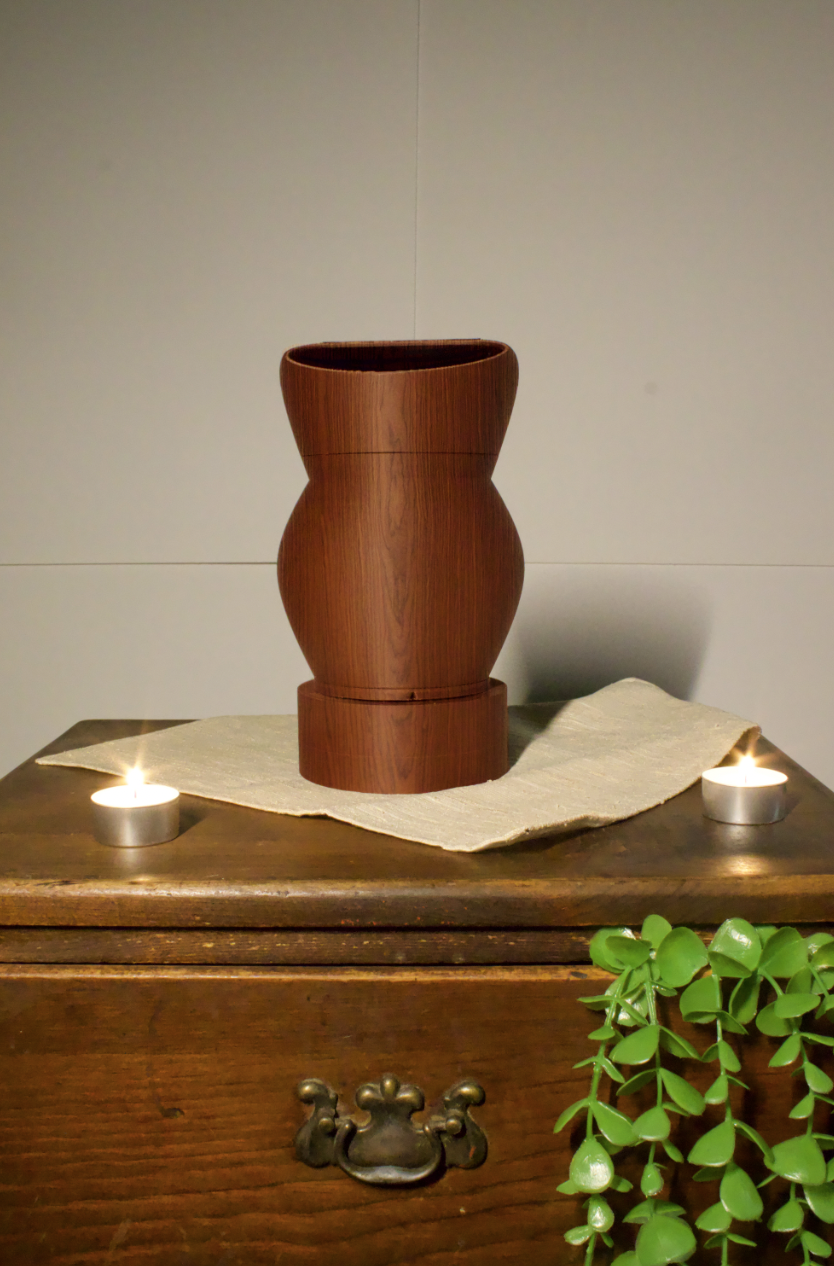
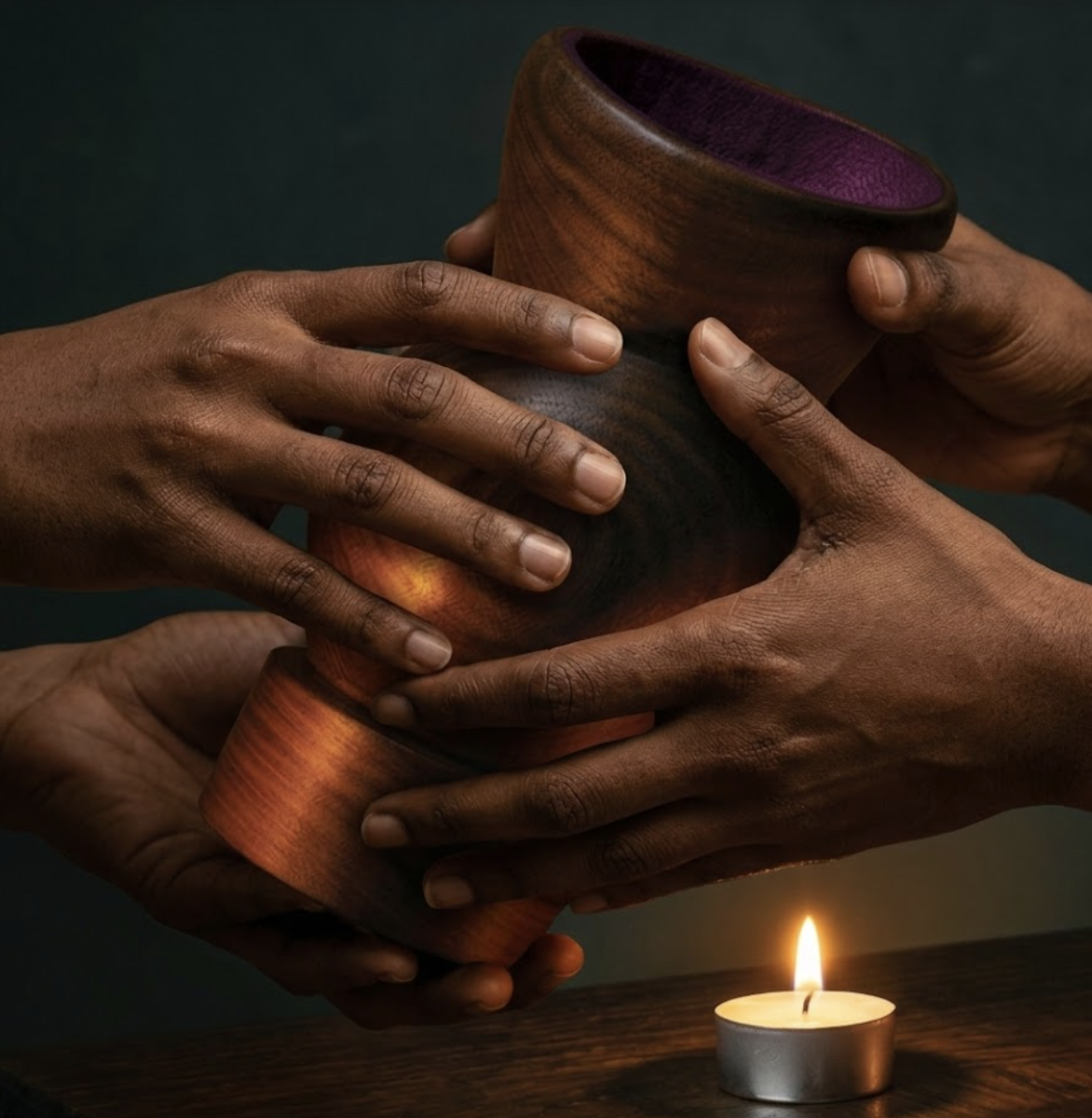
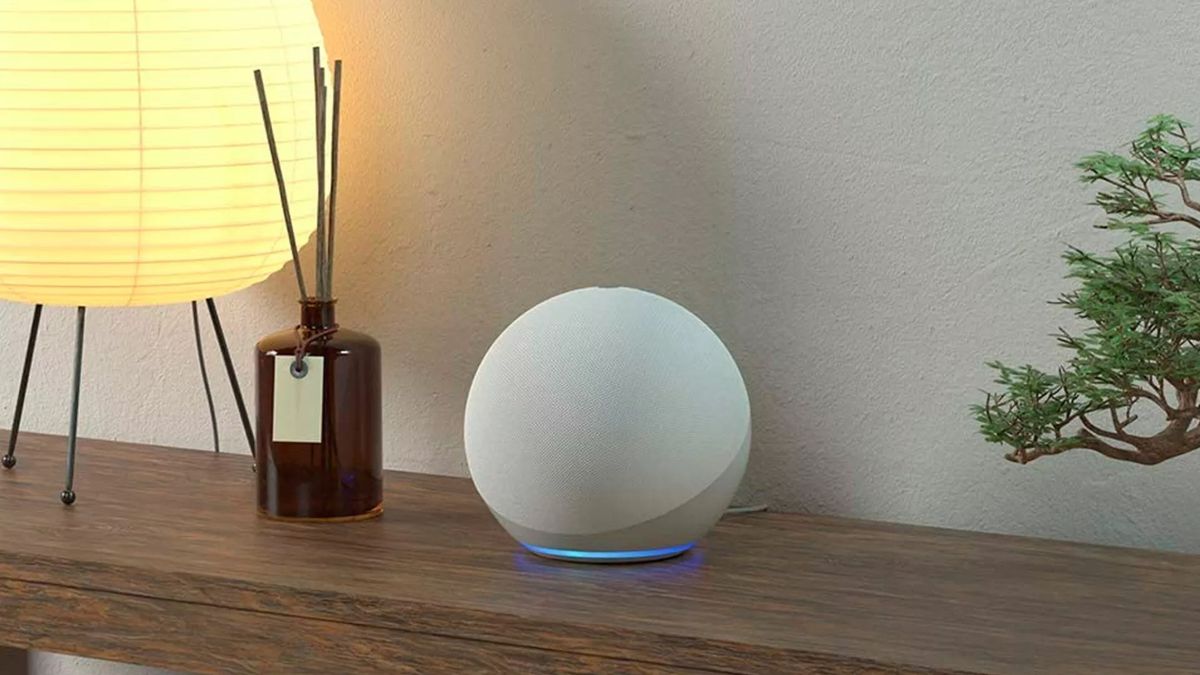
Àṣẹ challenges the way we store and interact with intergenerational memories, beyond corporate platforms and albums. Grounded in the matriarchal structures of Black diasporic families, the labor of remembering through voice, hand, and presence often falls on our grandmothers, mothers, daughters, sisters, and aunts. Àṣẹ is a tactile memory device: a physical vessel that binds audio memories to family objects, activated only when two family members touch it together.
This project began as a question about a single object and grew into a framework for what domestic technology should be. A quarter of American households keep cremated remains at home. A quarter of American adults own a smart speaker. Both blend seamlessly into our homes. Both store memory. And we've stopped noticing either one. Àṣẹ is the memory object that refuses to disappear.

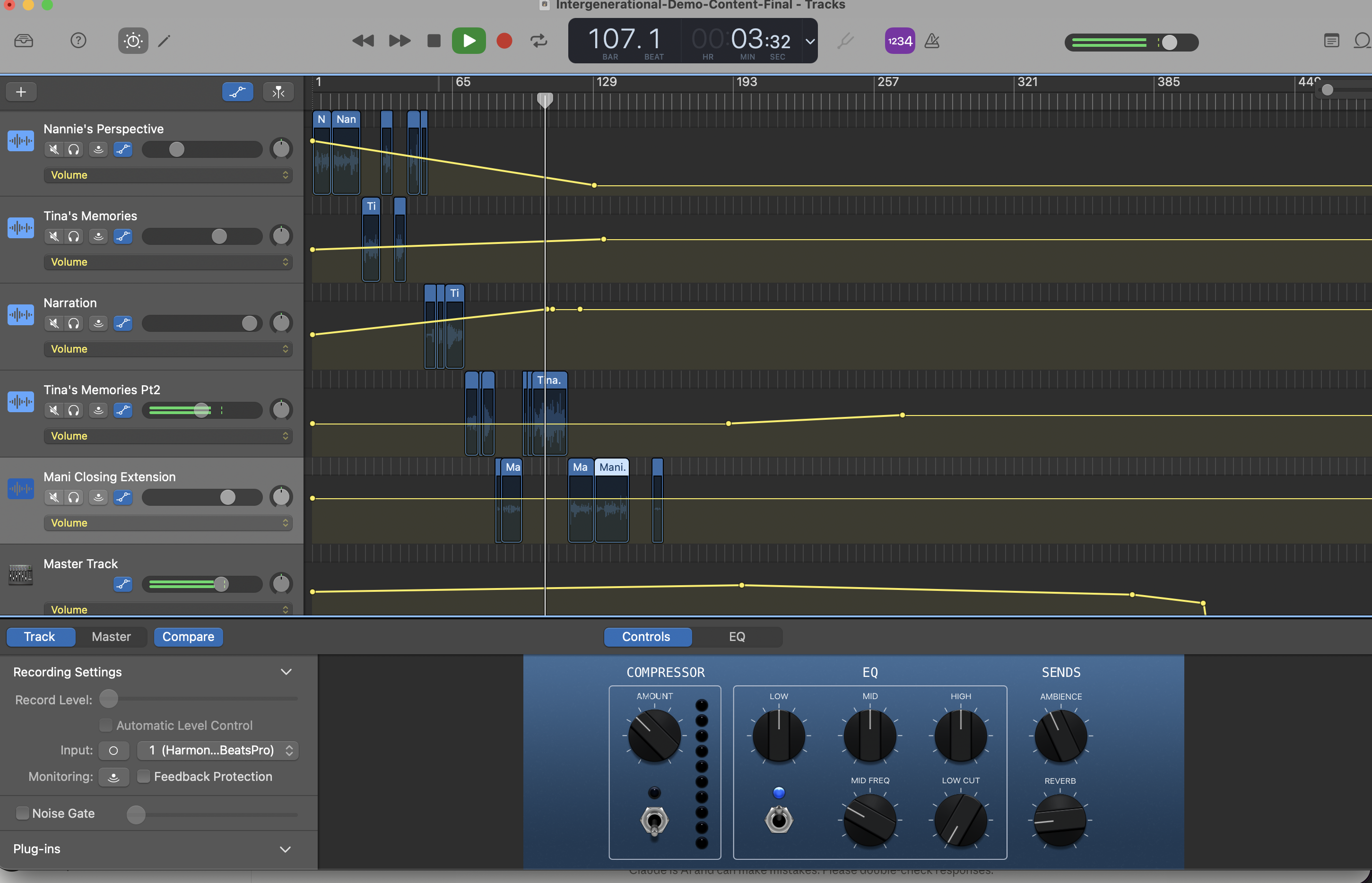

Building with AI changed my question. I started wanting an agent that sounded like me. Tying it to Àṣẹ, the inquiry shifted: not "an agent that sounds like me," but "what should the technology that lives with us be?" The framework emerged from the making: communal memory, presence, privacy.
AI didn't replace my thinking. It redirected it. The collaboration showed me that the principles I built Àṣẹ on are what all domestic technology should hold, and that you can build genuinely useful AI tools that don't extract. The outcome is the Keeper: a voice agent trained on my own voice, local, consent-focused, private by architecture. Technology that refuses to disappear, that asks for presence and consent every time.
Àṣẹ began with the matriarch, the one who carries the family's memory. The question now is what form that labor takes in a modern world: sound as interface, embodied technology, digital twins. The framework, communal memory, presence, privacy, is how we tell the difference between technology that honors the keeper's labor and technology that erases it.